 Visas, borders and practical travel in Vietnam, Cambodia and Laos
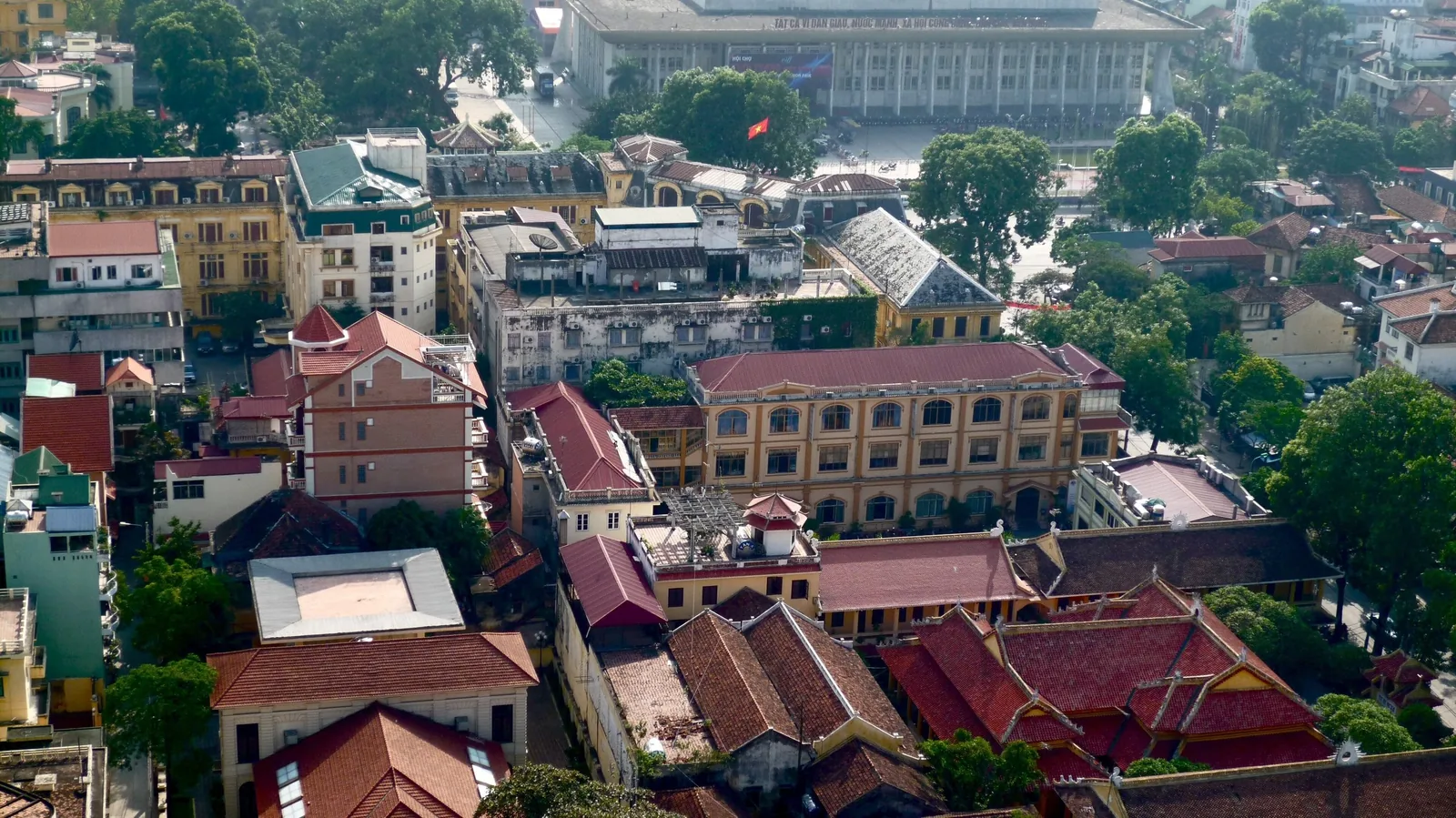
Visas and entry · Vietnam
Vietnam: e-visa, exemption and entry
Most visitors now enter Vietnam either visa-free for a fixed number of days or on an e-visa of up to ninety days. The e-visa is easy to get and easy to get wrong, because the gates you name on the form are the gates you must use.
Contents
The rules in brief
Sources: Vietnam e-visa portal, Immigration Department; Vietnam National Authority of Tourism — new e-visa border gates; Circular 62/2023/TT-BTC on visa charges, LuatVietnam text; Travelfish — Vietnam visas (independent guide); UK Foreign Office — Vietnam entry requirements · last checked .
Visa exemption: check your passport first
Before applying for anything, check whether your nationality is exempt. The UK Foreign Office states that British nationals can visit without a visa for up to 45 days for tourism or business. An independent guide lists the same 45-day exemption for Belgium, Bulgaria, Croatia, the Czech Republic, Denmark, Finland, France, Germany, Hungary, Italy, Japan, Luxembourg, the Netherlands, Norway, Poland, Romania, Russia, Slovakia, Slovenia, South Korea, Spain, Sweden and Switzerland, with shorter or longer periods for some other countries.
The list is set by government resolutions and can change, so treat the version above as a starting point and confirm on the Immigration Department's pages before you travel. The exemption covers one stay: if you leave for Cambodia or Laos and come back, you start a new exempt stay only if your nationality qualifies again on re-entry, which officers decide at the gate.
If your trip is longer than the exempt period, or you will leave and re-enter, an e-visa is the safer document. A multiple-entry e-visa for up to 90 days covers a route such as Hanoi, out to Laos, back into central Vietnam, and out again to Cambodia.
Sources: UK Foreign Office — Vietnam entry requirements; Travelfish — Vietnam visas (independent guide) · last checked .
The gates you name are the gates you use
On the e-visa form you choose a port of entry and a port of exit. The UK Foreign Office warns that these selections are restrictive. In practice that means a traveller who named Tan Son Nhat airport and then arrives by bus at Moc Bai has a problem, even though both ports accept e-visas.
The list of ports that accept e-visas was set at 42 in August 2023. Government Resolution 389/NQ-CP of 2 December 2025 added 41 more: four air gates, eleven land gates and twenty-six sea gates, for a total of 83. The land gates on the borders with Cambodia and Laos are listed below.
| Border | E-visa gates listed since 2023 | Added by Resolution 389 (December 2025) |
|---|---|---|
| Cambodia | Moc Bai, Xa Mat, Tinh Bien, Vinh Xuong, Ha Tien | Le Thanh, Binh Hiep, Thuong Phuoc, Dinh Ba, Tan Nam |
| Laos | Tay Trang, Na Meo, Nam Can, Cau Treo, Cha Lo, La Lay, Lao Bao, Bo Y | Long Sap, Nam Giang |
An independent guide updated in April 2026 reports that e-visas were still not being accepted at Le Thanh, Nam Giang and Long Sap. The government resolution lists them. If your route depends on one of the newly added gates, choose a gate from the 2023 list where you can, or confirm with the Immigration Department before you apply.
Sources: Government of Vietnam news portal — Resolution 389/NQ-CP on e-visa ports; Vietnam National Authority of Tourism — new e-visa border gates; evisasvietnam.com — e-visa land border list (visa agency); Travelfish — Vietnam visas (independent guide); UK Foreign Office — Vietnam entry requirements · last checked .
Applying, step by step
- 01
Check the portal address
Apply at evisa.gov.vn. Sites with similar names are agencies that add their own fee.
- 02
Prepare the files
A clear scan of the passport data page and a recent portrait photo on a plain background.
- 03
Name the right gates
Choose the entry and exit ports you will actually use, from the official list.
- 04
Pay and wait
Pay the government fee online and keep the application code to check the status.
- 05
Print the result
Print the approved e-visa and check every digit of the passport number and dates.
Apply early enough that a rejection leaves you time to apply again. Common reasons for a rejection or a problem at the counter are a photo that is too dark or cropped, a passport number typed with the letter O in place of a zero, and dates that do not cover the whole stay. The UK Foreign Office also notes that an e-visa obtained while you are already inside Vietnam only takes effect after you leave and enter again.
Sources: Vietnam e-visa portal, Immigration Department; UK Foreign Office — Vietnam entry requirements · last checked .
Customs, overstays and arrival
Cash above 15 million dong, or above USD 5,000 or its equivalent in another currency, must be declared to customs on arrival. If you are carrying cash for visas on arrival in Cambodia or Laos later in the trip, add it to the total.
Overstaying is treated seriously. Officers can stop you leaving until a fine is paid, and deportation and a future entry ban are possible. If a flight cancellation or illness pushes you past your permitted stay, contact the immigration office before the date passes rather than at the airport.
Passengers changing from an international to a domestic flight in Hanoi or Ho Chi Minh City pass through immigration there, even if their final destination is outside Vietnam. Allow time for that on a short connection.
Sources: UK Foreign Office — Vietnam entry requirements · last checked .
When the e-visa is the wrong tool
- Stays longer than 90 days, work, study or residence: these need a different visa category.
- Nationalities on a 45-day exemption list who will stay under 45 days and not leave and re-enter: no visa needed.
- A crossing that is not on the e-visa list. Choose another crossing, or apply for a visa at an embassy.
Common questions
Questions readers ask
Can I change the entry gate after my e-visa is approved?
Not on the approved e-visa. The safe route is a new application naming the right gate. Apply early enough that this does not leave you stuck.
Does the 45-day exemption apply if I enter by land from Cambodia or Laos?
Exemptions are granted by nationality at the gate, by land or air. Officers decide on each entry, so carry proof of onward travel and check the latest exemption list before you rely on it.
How long does an e-visa take?
About three working days is the usual figure reported. Public holidays add to that. Agencies that promise faster processing charge extra for the service.
Can I extend a Vietnamese e-visa?
No. Independent sources report that an e-visa cannot be extended. Plan the dates with a margin, or leave and enter again on a new e-visa.
Related
Read next
Visas and entry
Visas
Side-by-side comparison of e-visas, exemptions and visas on arrival for the three countries.
Visas and entry · Cambodia
Cambodia visa
Cambodian visa on arrival, the e-visa and where it works, the e-Arrival card and overstay rules.
Visas and entry · Laos
Laos visa
The Lao e-visa and its ports, visa on arrival, the online arrival form, extensions and overstays.
Getting across
Border crossings
Crossing-by-crossing tables for Vietnam–Cambodia, Vietnam–Laos and Cambodia–Laos, with sources and dates.

Countries · Vietnam
Vietnam
Route length, regional seasons, entry options and fixed costs for travelling Vietnam on your own.
On the road
Money and SIM
Dong, riel, dollars and kip: cash, cards, QR payments and SIM registration in the three countries.
Start planning
Send a correction or a question
Tell us what a page says, what you found at the border or on an official site, and when. A link to the source helps us check it quickly.