 Visas, borders and practical travel in Vietnam, Cambodia and Laos
Countries · Cambodia
Cambodia: compact, and easy at the border
Cambodia is small enough to see its two main destinations in a week and still has visa on arrival at most borders. The planning points are the heat, the rains, the new airports, and travelling with two currencies at once.
Contents
At a glance
- Capital
- Phnom Penh
- Nights
- 6–10
- Entry
- Visa on arrival or e-visa
- Currency
- Riel and US dollars
- Main airports
- Techo (KTI), Siem Reap-Angkor (SAI)
- Dry season
- November to April
What Cambodia is like to travel on your own
Most visitors come for two places: Siem Reap, the town beside the Angkor temple complex, and Phnom Penh, the capital on the Mekong and Tonle Sap rivers. Add the south coast around Kampot and Kep, close to the Ha Tien crossing from Vietnam, and you have the classic first route. Further north-east, Ratanakiri and Stung Treng are on the way to the only crossing into Laos.
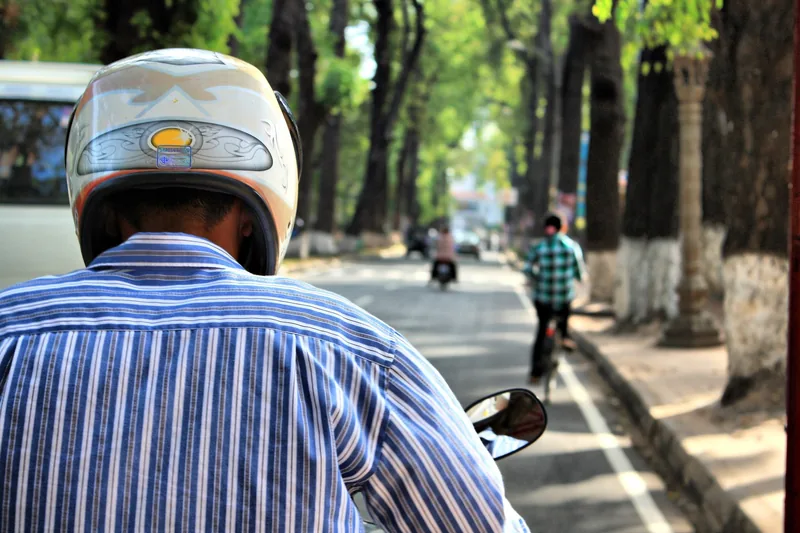
Getting around is simple. Tuk-tuks and ride-hailing cover the towns, and buses connect the main destinations. Prices for travellers are commonly quoted in US dollars, with change in riel, which takes a day to get used to. The roads are the main hazard: the UK Foreign Office describes Cambodia as having one of the highest road accident rates in south-east Asia.
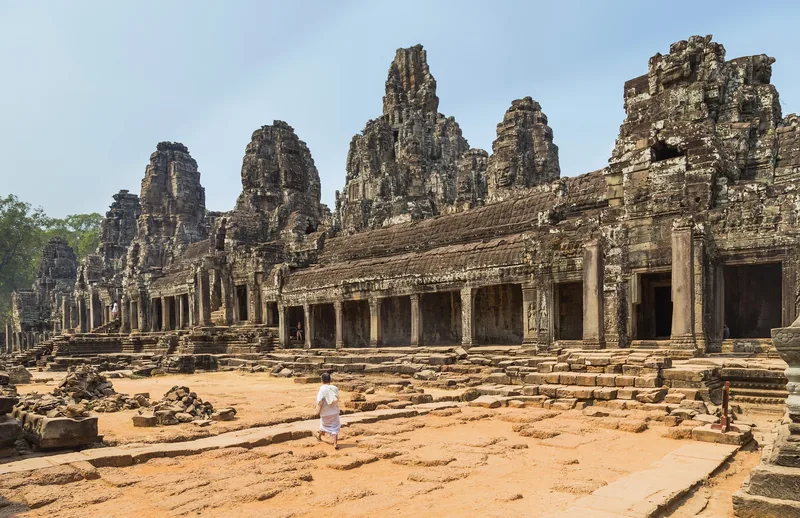
Angkor is the reason many people come, and it is large. A single day sees the central temples in crowds; two or three days allow early starts and the outlying sites. Heat shapes the day for much of the year, so temple visits usually start at dawn and stop at midday.
Sources: UK Foreign Office — Cambodia safety and security · last checked .
How many nights
As a planning estimate, six nights covers Phnom Penh and Siem Reap without hurry: two or three in the capital, three in Siem Reap for the temples. Ten nights adds the south coast or a slower trip along the Tonle Sap. Under five nights, choose Siem Reap alone and fly in and out.
If Cambodia is part of a longer trip, the south links to Vietnam through Moc Bai, the Mekong boat or Ha Tien, and the north-east links to southern Laos through Trapeang Kriel.
When to go
The dry season runs from November to April. November and December are the cooler months and the most comfortable for the temples. March and April are hot and dusty, with highs around 38°C in Phnom Penh and Siem Reap. The rains start in May, peak from July to September and fade in October.
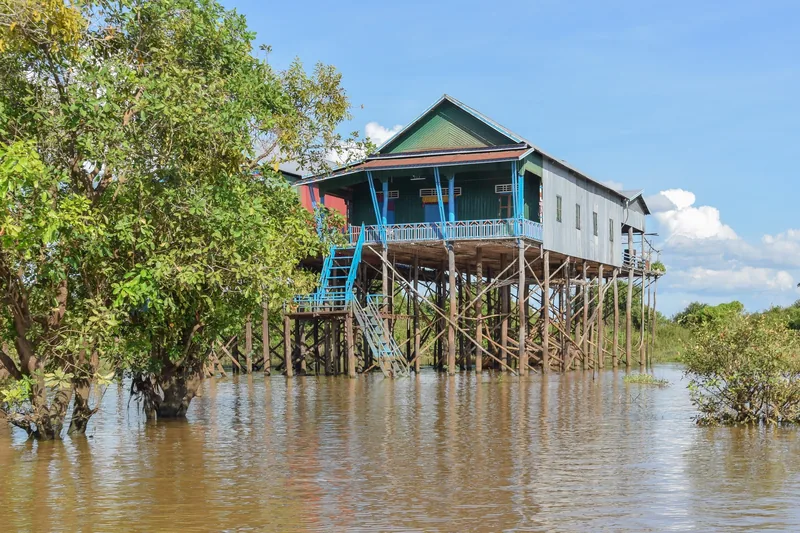
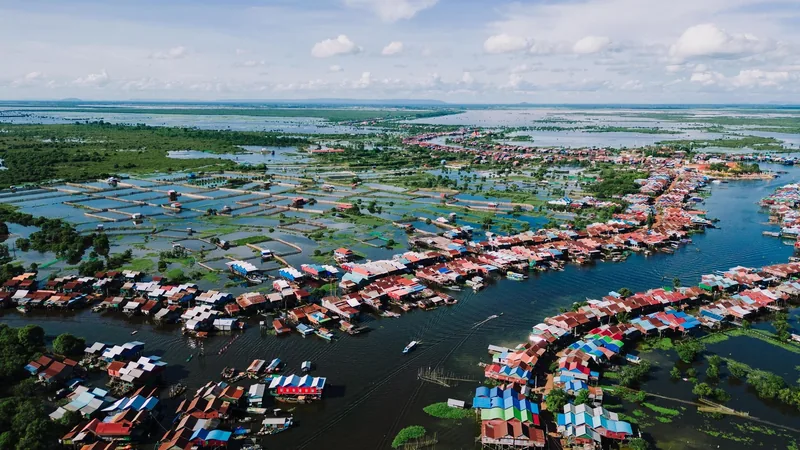
The wet season has its own reasons to go. The landscape is green, the Tonle Sap lake swells and the stilt villages around it are at their most dramatic. Rural roads slow down, and some outlying temples become muddy to reach.
Sources: Travelfish — Cambodia weather (independent guide) · last checked .
Getting in
By air, two airports have changed recently. Phnom Penh's flights moved on 9 September 2025 to Techo International Airport (KTI), about 30 km south of the city, with a drive of 40 minutes to over an hour. Siem Reap's flights use Siem Reap–Angkor International Airport (SAI), about 40 km from the Angkor area. Air arrivals complete a free e-Arrival card within the seven days before landing.
By land, the main crossing is Bavet, on the road from Ho Chi Minh City, which accepts both the e-visa and visa on arrival. The other crossings from Vietnam issue visas on arrival only. From Laos, Trapeang Kriel takes both. Full details are on the Cambodia visa page and in the border tables.
Sources: TravelMole — Techo International Airport replaces Phnom Penh airport; CNN Travel — Siem Reap-Angkor International Airport opens; UK Foreign Office — Cambodia entry requirements; Travelfish — Cambodia visas and borders (independent guide) · last checked .
Fixed costs we can source
| Item | Cost | Note |
|---|---|---|
| Visa on arrival, tourist | USD 30 | Paid in US dollars; bring a passport photo |
| E-visa, tourist | USD 30 plus USD 6 processing | Apply at least four days ahead |
| Visa extension | USD 30 to 50 | Reported range, depends on type |
| E-Arrival card | Free | Air arrivals only |
We do not publish hotel, food or temple pass prices. They change and we have not checked them against a source we would cite. Check before you travel.
Sources: Travelfish — Cambodia visas and borders (independent guide); UK Foreign Office — Cambodia entry requirements · last checked .
Pictures
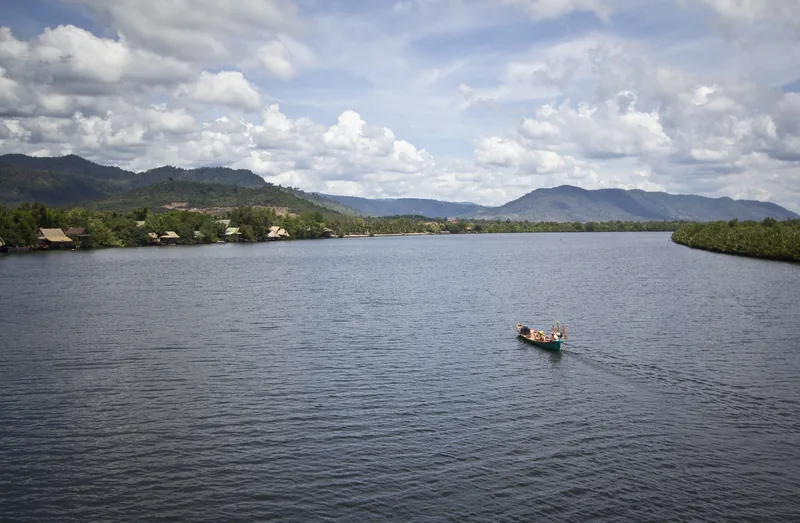
When to leave Cambodia out
- If your trip falls in March or April and you do not cope with heat over 35°C; the temples are exposed.
- If you cannot walk several kilometres a day: the Angkor sites are spread out and uneven underfoot.
- If your route would need a second visa on arrival just to pass through for a night or two.
- If you were hoping to rely on cards: outside the cities, cash rules.
Common questions
Questions readers ask
How many days do I need for Angkor?
Two or three days allow early starts and the outlying temples. One day covers the central sites in crowds.
Which airport is Phnom Penh now?
Techo International Airport, code KTI, about 30 km south of the city, which replaced the old airport in September 2025.
Should I bring dollars or riel?
Both. Dollars for hotels, transport and visas, riel for small purchases and change. Dollar notes need to be in good condition.
Is the wet season worth it?
For the lake and the green landscape, yes. Expect slower roads, and the heaviest rain from July to September.
Related
Read next
Visas and entry · Cambodia
Cambodia visa
Cambodian visa on arrival, the e-visa and where it works, the e-Arrival card and overstay rules.
Getting across
Border crossings
Crossing-by-crossing tables for Vietnam–Cambodia, Vietnam–Laos and Cambodia–Laos, with sources and dates.
On the road
Money and SIM
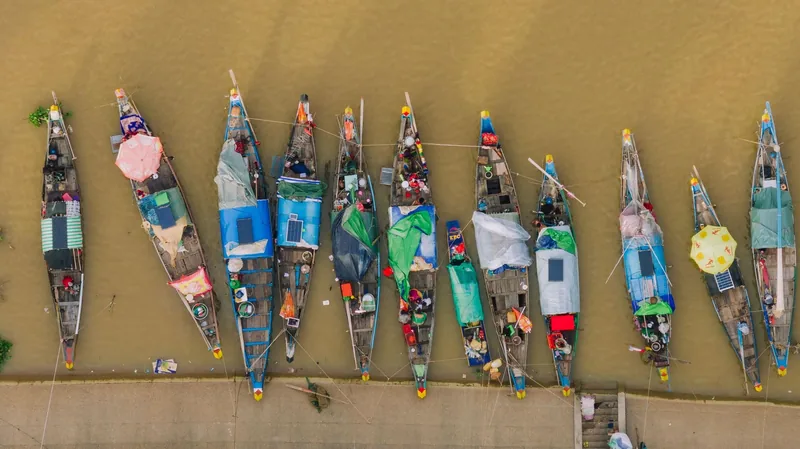
Dong, riel, dollars and kip: cash, cards, QR payments and SIM registration in the three countries.
Countries · Vietnam
Vietnam
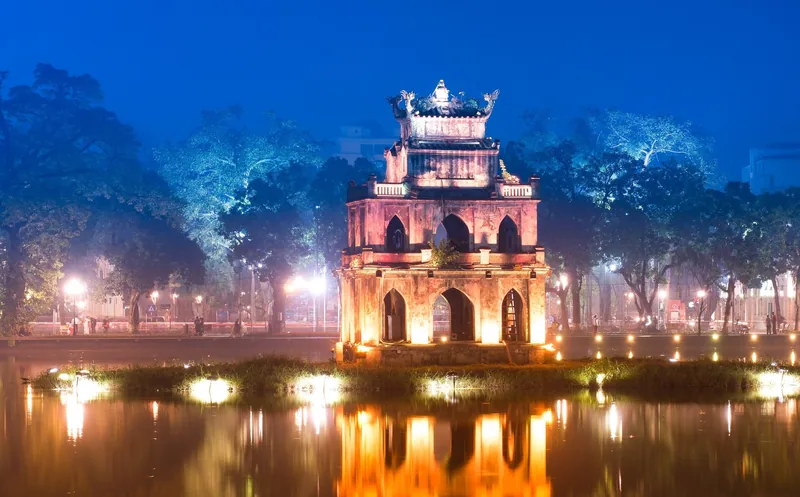
Route length, regional seasons, entry options and fixed costs for travelling Vietnam on your own.
Countries · Laos
Laos
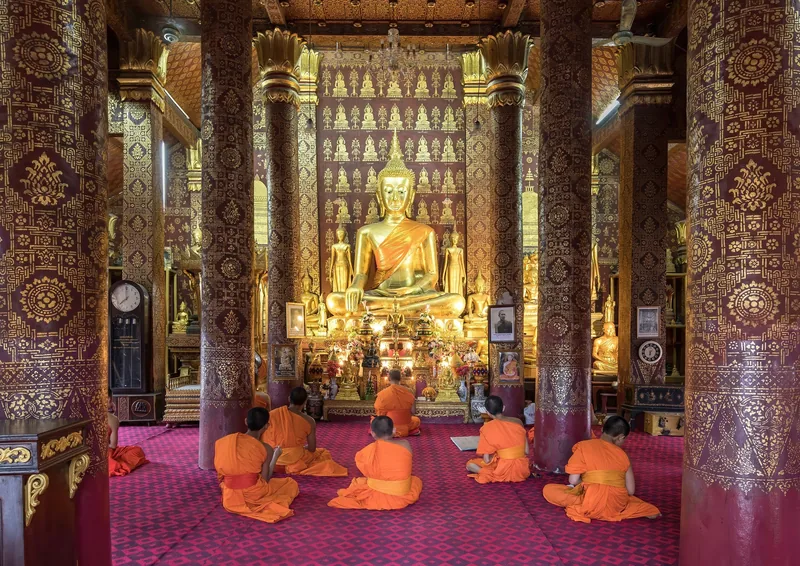
Route length, seasons, entry rules, kip-only payments and fixed costs for travelling Laos on your own.
Countries
Countries
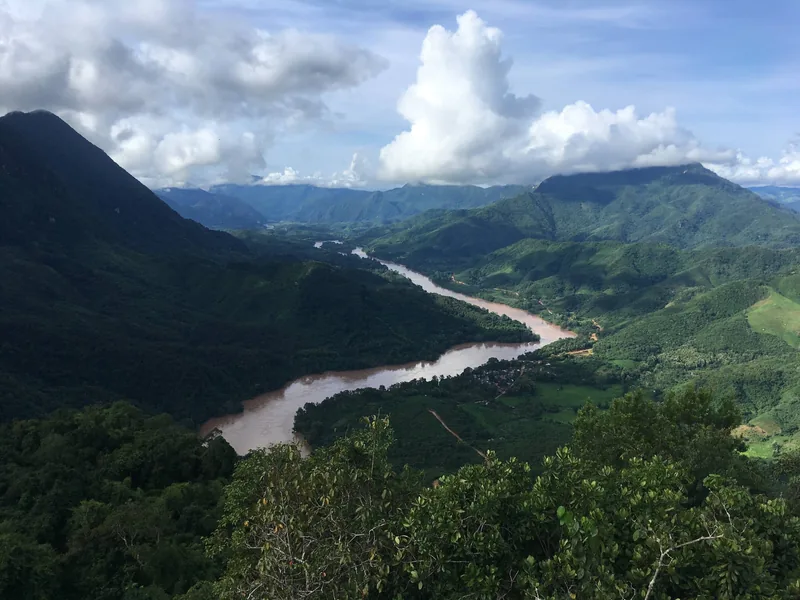
Practical overviews of Vietnam, Cambodia and Laos for travellers planning their own route.
Start planning
Send a correction or a question
Tell us what a page says, what you found at the border or on an official site, and when. A link to the source helps us check it quickly.